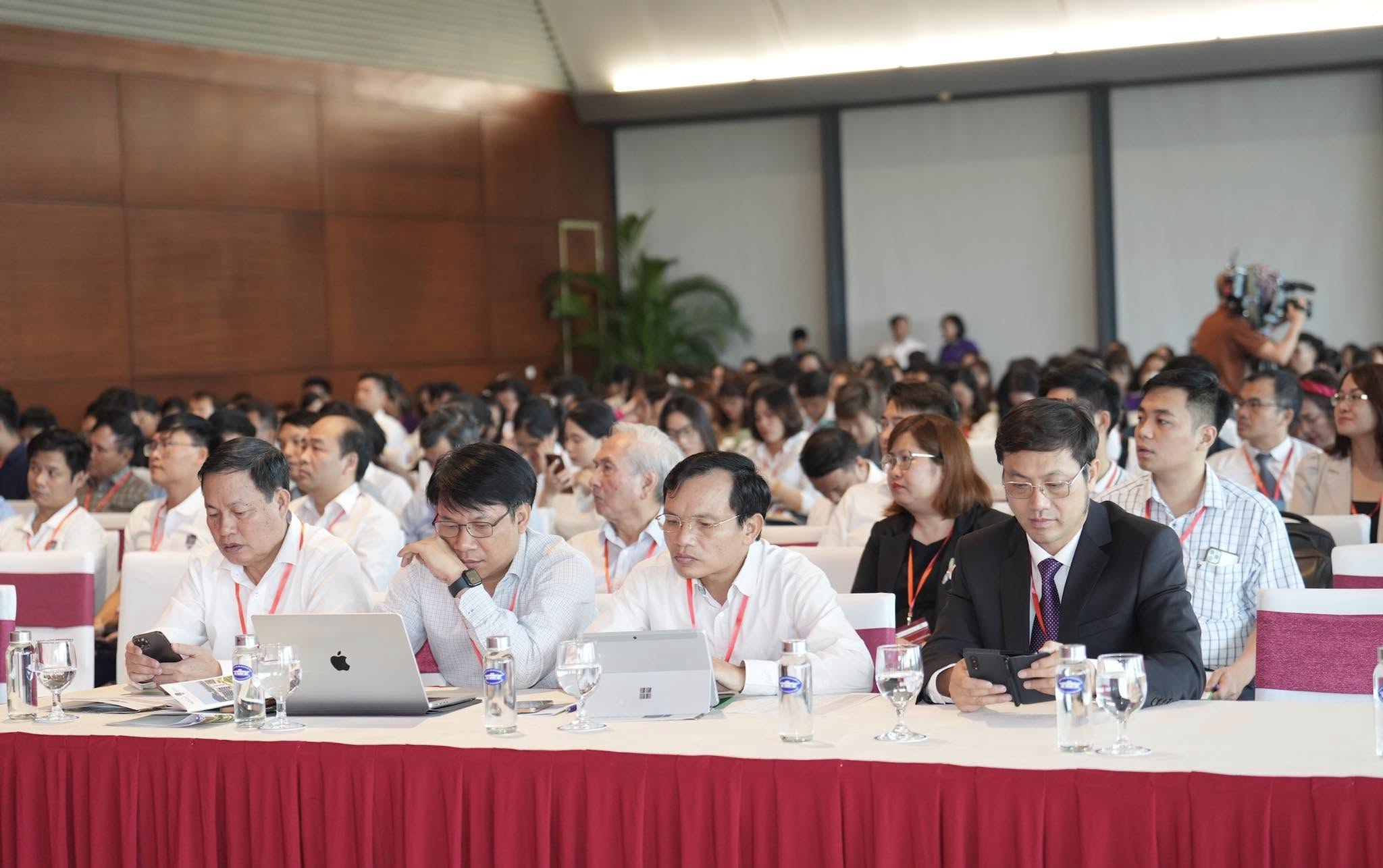
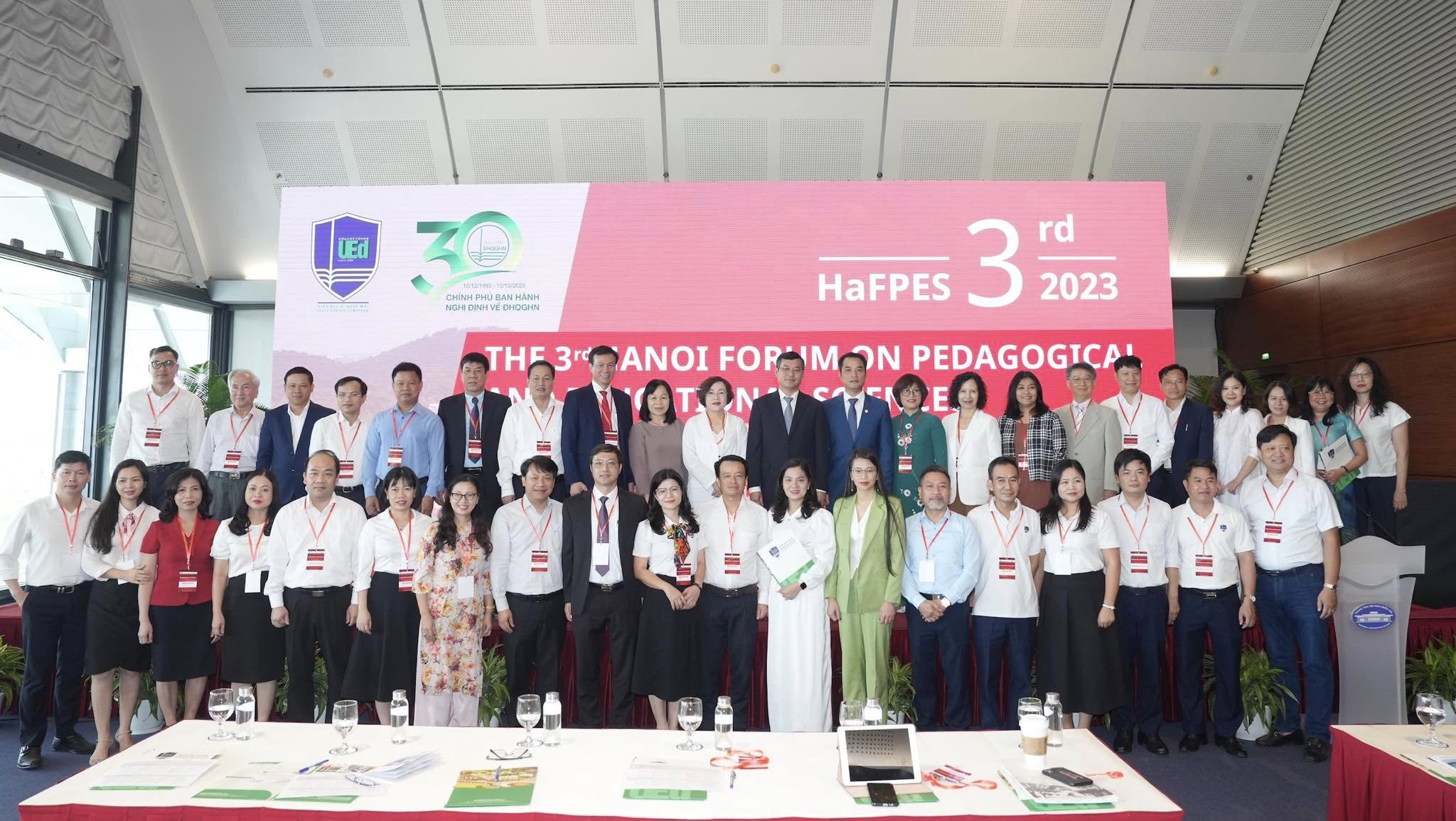
International Conference on The Sixth Hanoi Forum on Pedagogical and Educational Science 2026 (HaFPES 6) will be held in Hanoi, Hanoi on 28 August 2026
The 6th Hanoi Forum on Pedagogical and Educational Science (HaFPES 2026), organized by the University of Education – Vietnam National University, Hanoi, is an international annual academic forum that brings together scholars, educators, and researchers to exchange ideas and present cutting-edge studies in educational science and pedagogy. Scheduled for August 28, 2026, in Hanoi, the forum will be held in a hybrid format, combining in-person and online participation. HaFPES 2026 focuses on six key themes, including the role of teachers in the AI era, immersive learning environments, AI-based assessment, future competencies, learning sciences, and early education. With a rigorous peer-review process and high-quality English publications, the forum continues to serve as a prestigious platform for academic exchange and international collaboration in education.
The Forum content is divided into 6 main topics:
Topic 1: Reshaping the role of teachers in the AI era, including:
- AI-enhanced pedagogy and smart classroom management
- Expanded intelligence in educational leadership
- Teacher identity and career development in the AI age
- Data-driven and AI-based school governance
Topic 2: Immersive Learning Environments, including:
- Virtual Laboratories for STEM and teacher training
- Avatar-based pedagogy
- Social Presence and interaction in the virtual classroom
- Designing learning systems in the Metaverse
Topic 3: Smart learning assessment on AI platforms, including:
- Analyzing learning data and ensuring training quality on AI platforms
- New micro-certifications and competency certifications
- Evaluating training programs in Digital Learning Environment
- Quality Standards for AI-Integrated Education
Topic 4: New Competencies Needed for Citizens in the Digital Age to Meet the New Era Includes:
- AI Understanding Competency Framework for General and University Education
- Quantum Thinking and Systems Thinking
- Command Formulation Techniques as a New Academic Competency
- Collaborative Skills Between Humans and Artificial Intelligence in Learning and Research
- Designing Future Competency Training Programs
- Climate Education Framework, Global Citizenship, Green Curriculum, and Environmental Anxiety Reduction Support.
Topic 5: Learning Science, Neuropsychology, and Pedagogical Innovation:
- Developing Creative Thinking and Problem-Solving Through Activating Brain Networks.
- Cognitive Load Theory in Lesson Design
- Enhancing Emotional Learning and Learning Motivation
Topic 6: Early Childhood Education and Holistic Human Development for the Future Includes:
- Age-Appropriate Self-Adjustment and Metacognition Learning Skills
- Multilingual Learning and Early Language Development
- Early Intervention and Support for Children with Learning or Behavioral Difficulties
- Physical Health and Nutrition Education Related to Learning Ability
- Transition Preparation: from Preschool to Primary and from Primary to Higher Education.